Reasons for Wild Hope, June 2026

“Earth is our spaceship, and nature is the engine that keeps us alive.”
– Cristina Mittermeier, renowned nature photographer
If nature is the engine that keeps our planet running, Indonesia's forests are among its most powerful components. Stretching across thousands of islands, Indonesia's rainforests, mangroves, and peatlands help regulate the climate, shelter countless species, and store vast reservoirs of carbon. There’s a reason why Indonesia is known as one of the forest giants of the world: 61% of the country is forested, storing roughly 100 billion tonnes of carbon, which is about 10 times the world’s annual fossil fuel emissions.
Yet these critical ecosystems remain under pressure from deforestation, agricultural expansion, and economic systems that too often leave communities choosing between earning a living and protecting forests.
But what if that choice is a false dichotomy?
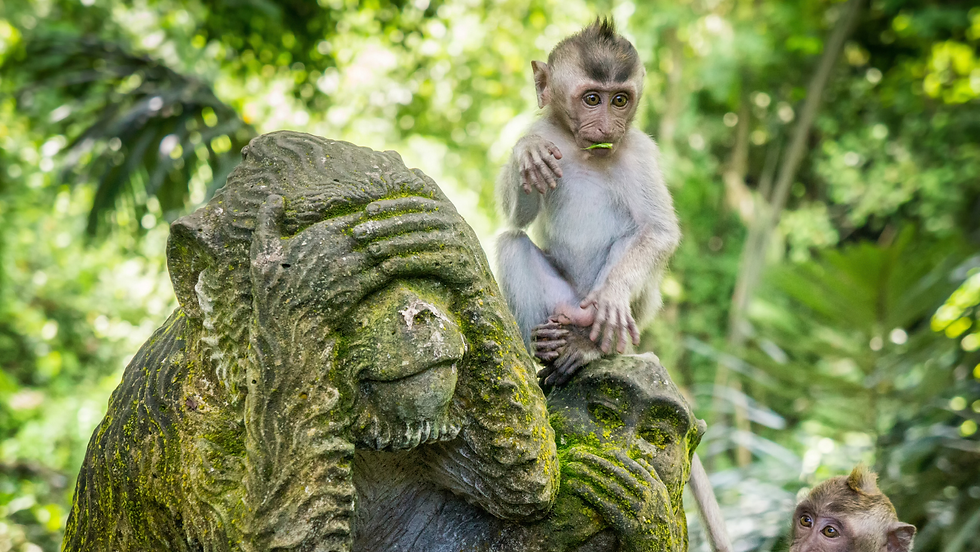
A recent study highlighted by Project Drawdown shows that economic development and environmental protection can not only coexist, but support one another. Researchers found that accelerating economic development in lower-income countries could reduce pressure to convert natural ecosystems into farmland by increasing agricultural productivity and creating new economic opportunities.
This month, we're spotlighting the Gerbang Barito REDD+ Project in Indonesia to explore what the intersection of economic development and environmental conservation look like in practice, and giving a peak behind the curtain into how these types of high-quality, durable projects are developed.
The following stories remind us that protecting forests isn't only about preventing what we stand to lose. It's about investing in the futures forest communities want to build. And that is a reason for wild hope.
REAL CONSERVATION STARTS WITH LISTENING

"What are your hopes for protecting this forest?"
This simple question can open up profound conversations, and is key to the development of Wildlife Works projects. At the Gerbang Barito REDD+ Project, community members gather to discuss the future they want for their forests, families, and villages. Through participatory workshops, residents identify challenges, explore solutions, and help shape conservation activities based on local priorities.
As one community member shared: "This way, it really feels like our opinions are heard."
MAKING ROOM FOR WOMEN'S VOICES

When women in local villages said childcare responsibilities were making it difficult to participate in community meetings, Wildlife Works listened.
A simple childcare space during a workshop created an opportunity for mothers to participate more fully in conversations about the future of their forests and communities.
Sometimes the smallest changes can create the greatest opportunities for inclusion.
MEET THE FOREST GUARDIANS
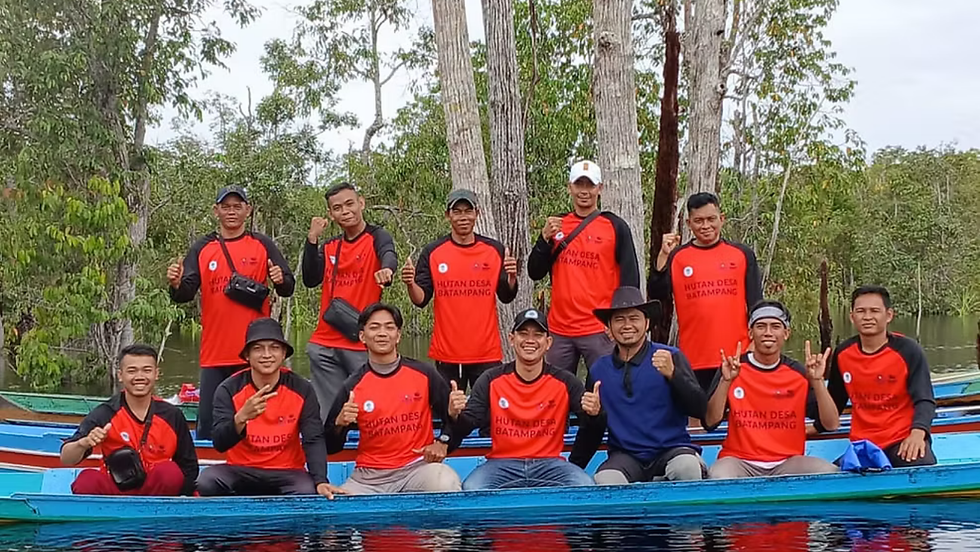
"I used to see people cutting down trees in my village."
At just 22 years old, Deni is part of a community-led forest patrol team protecting the forests surrounding Batampang Village. After seeing trees cut down and floods become more common, he began to wonder what the future would look like if nothing changed. Now, employed by the project, he spends his days walking forest trails, recording observations, and helping protect the forests surrounding his community.
Behind every conservation project are people like Deni: people who choose to dedicate their time, energy, and future to protecting the places they call home. "We must keep the forest alive for our children and grandchildren."
ADAT: CONSERVATION ROOTED IN CULTURE

Along the Barito River, the Bakumpai people have lived alongside forests and waterways for generations.
Their relationship with the landscape is guided by Adat: a system of customary laws, values, and practices that helps shape community life, cultural identity, and natural resource management.
These traditions offer a powerful reminder that conservation is not only about protecting ecosystems, but also about respecting the cultures that have stewarded them for generations.
A NEW BUYER'S GUIDE

The Gerbang Barito REDD+ Project is just one example of how durable conservation is built. The community governance, local stewardship, and economic opportunities highlighted in these stories are the same factors that help conservation outcomes last.
To help buyers identify these qualities, we've created a new guide: A New Framework for Evaluating High-Quality Forest Carbon Projects. It explores why durability is emerging as a defining measure of project quality and provides a practical checklist for evaluating nature-based climate investments.
HOPEFUL NEWS STORIES WE'RE FOLLOWING
READY TO ACT FOR NATURE?
If you feel inspired to act, you can invest in Wildlife Works’ community-led projects now.
SUBSCRIBE TO OUR NEWSLETTER
If you want this newsletter delivered directly to our email newsletter.


